By Fr. Hau Vu, Vocations Director
Every social media platform runs on an algorithm, and while we often think of algorithms as neutral tools that simply show us content, they are actually shaping something much deeper inside of us. They are forming what I would call a “posture.” The word comes from the Latin postura, which means the way something is placed, the angle it takes when it meets the world. And this posture is not just physical. It is spiritual, mental, and part of our daily habits. It is the way we carry ourselves before life, before other people, and before God.
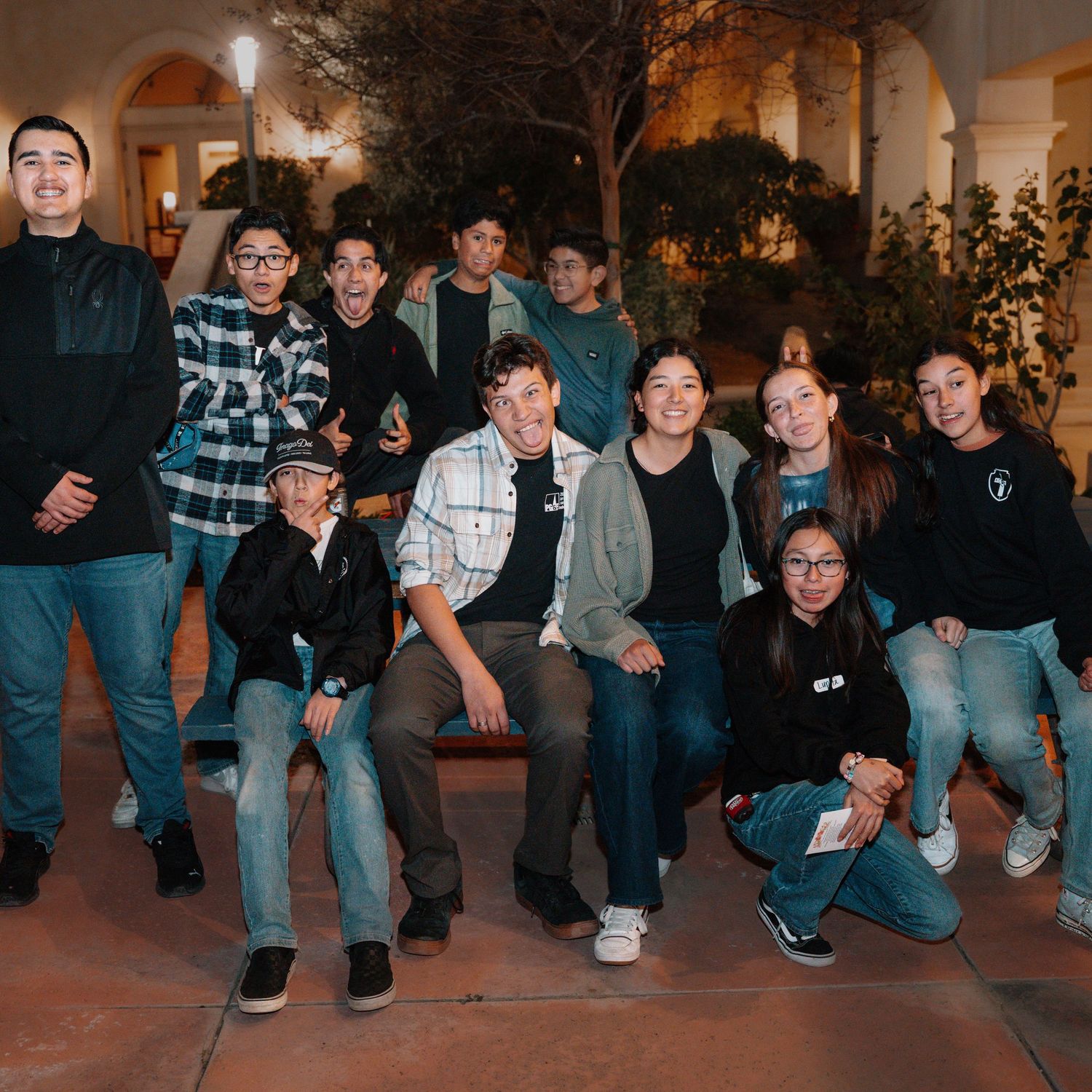
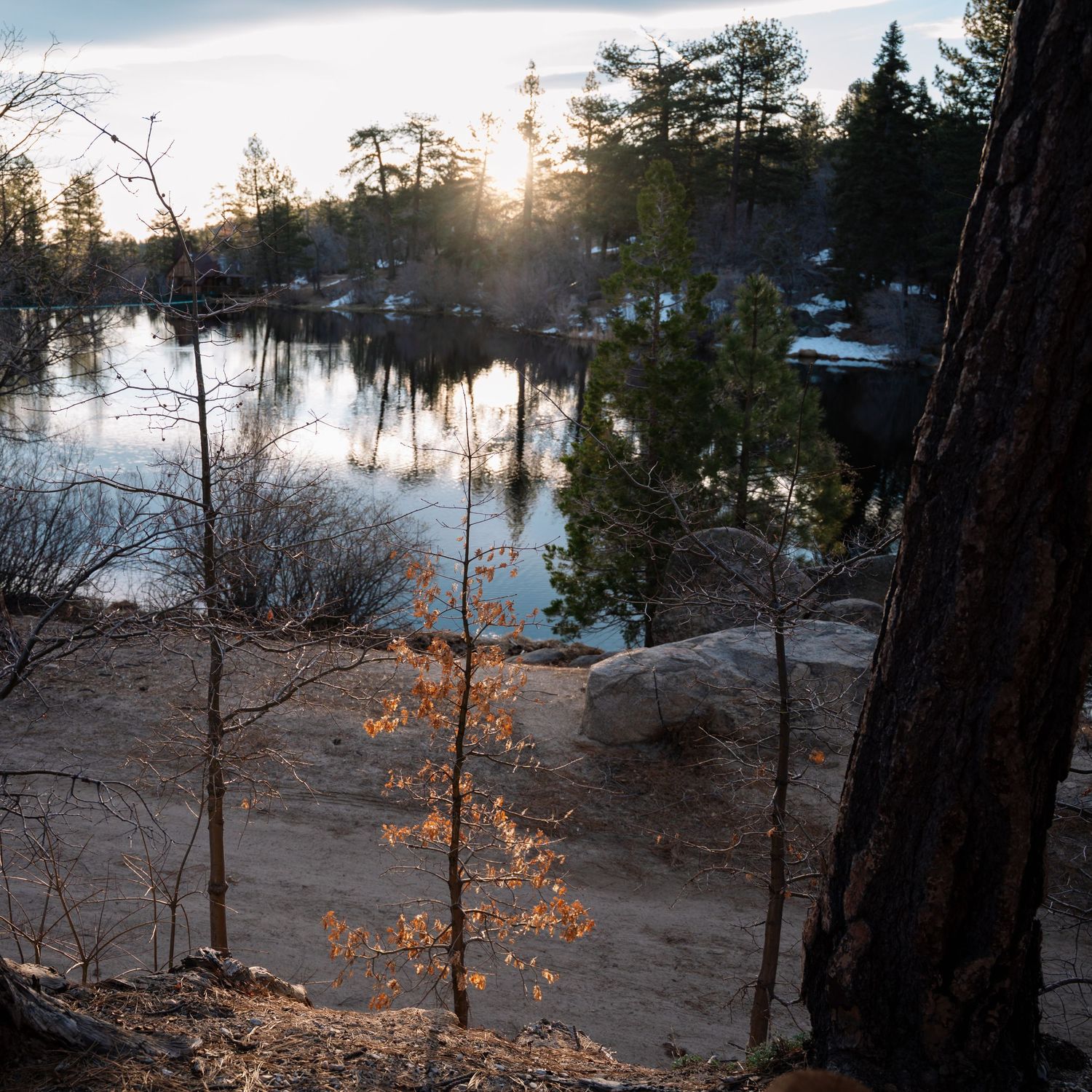
I came to realize this in a moment I did not expect. I was driving up to Big Bear to meet a group of confirmation teens from Corpus Christi in Corona, heading to Cedar Lake Camp for a retreat. The drive was simple, about an hour and a half, something I have done many times. But when I arrived and stepped out of the car, something shifted. As I looked at the mountains and took in the quiet beauty around me, I felt my body begin to relax in a way that surprised me. It was not just the relief of finishing a drive. It felt like I had been stuck in a tight space for much longer than I thought, and only now was I finally stretching out.
At first, I thought it was just from sitting in the car. But as I paid closer attention, I noticed something more. My shoulders were slightly curled in, my neck leaned forward, my eyes were focused close, and my breathing was shallow. This was not just from driving. This was the posture of someone who had spent many hours looking down at a screen.
What struck me even more was that this posture came from doing good things. I was not wasting time. I was answering emails, planning ministry, preparing talks, and using social media to evangelize. These are good and necessary things. But without realizing it, I had slowly trained my body and my mind to become smaller, more closed in, more focused on a narrow space in front of me. Every time I picked up my phone, I was shaping myself in that direction.
That is when I saw something clearly. Algorithms are not neutral. They are forming us. They guide what we see, what we pay attention to, and even how we begin to live. But the strange part is that we usually do not notice it until we step away from it. It was only in the silence of the mountains, away from the constant pull of notifications and tasks, that I became aware of what had been happening to me all along.
Even then, it was not easy to break out of it. There was a tension inside of me. Even in the quiet, I still felt the urge to reach for my phone, to check messages, to stay connected, to keep working. That showed me something important. This posture was no longer just a habit. It had become part of me.
And this is the key point. Posture is not who you want to be. It is who you slowly become without noticing.
As I reflected more, I realized this is not just about me. It is happening to all of us, especially through social media. These platforms tend to form two main postures in us. The first is a posture of performance. Every app feels like there is an audience. Even if no one is watching, it feels like they are. So we begin to present ourselves in a certain way. We try to show the best version of our lives. We shape how things look.
But this creates a danger. We can start to confuse real connection with putting on a show. Instead of truly meeting people, we manage how we appear. Instead of living moments, we package them.
I see this clearly in young people. It is almost like there is a camera always on. They are thinking about how they look, how things will be seen, and what others will think. Life becomes something to edit in real time. And when they step into a place where they cannot edit or control how they are seen, it can feel uncomfortable, even scary. This is why retreats can feel both powerful and challenging. They invite a person to stop performing and simply be present.
The second posture is one of consuming. These apps are designed to keep our attention moving quickly. If something does not catch our interest right away, we move on. Over time, this trains us to lose patience. We begin to expect everything to be fast, easy, and constantly interesting. We struggle to stay with things that take time, effort, or silence.
I think back to when I was younger. We did not have all this technology. When we were bored, we did not escape it. We worked through it. We went outside, made games, built things, and used our imagination. Boredom actually helped us grow. It opened the door to creativity.
Today, boredom feels like something to avoid. So we fill it with constant scrolling. Video after video, one after another.
What many people call “brain rot” today has actually been talked about for centuries. The Desert Fathers called it acedia. It is a kind of restlessness where nothing satisfies you. You feel bored, tired, and disconnected, even when you are doing a lot. It is not just laziness. It is a deeper emptiness.
In many ways, endless scrolling is a modern version of that same struggle.
It was during this reflection that I returned to a familiar line from Scripture, “Be still, and know that I am God.” The word “be still” means to let go, to release, to stop striving. It is not just about stopping physically. It is about loosening your grip and allowing yourself to rest in God.
So on that mountain, I made a choice. I relaxed my body. I stopped reaching for my phone. I went for a walk. I began to breathe more deeply. And little by little, something changed. My mind became less scattered. My attention opened up. My posture shifted from always doing to simply being.
And in that space, I began to hear God more clearly. Not because He started speaking louder, but because I finally slowed down enough to listen.
This is why retreats are so important, especially today. They give us something that no algorithm can give. Silence. Real presence. True encounter. A chance to meet ourselves honestly and to meet God in a deeper way through prayer and the sacraments.
In the end, the question is not whether we have a posture. We all do. The real question is what is shaping it. And whether we are willing to step back, notice it, and allow God to reshape it into something more open and alive.