Formation Program
The 6th edition of the Program of Priestly Formation (PPF) teaches that priestly formation is a single, integrated journey shaped by distinct but interrelated dimensions of growth. It speaks of formation as a work of the Holy Spirit in cooperation with the Church, ordered toward configuring the seminarian to Christ the Good Shepherd in his whole life. Within this vision, the five dimensions, human, spiritual, intellectual, communal, and pastoral, are not “tracks” running side by side, but facets of one unified call to discipleship and mission lived in the Church.

Living Out the 5 Pillars of Formation
Living out the five pillars of formation means allowing every part of your life to be shaped by Christ, not just one area in isolation. At Serra House, human, spiritual, intellectual, pastoral, and communal formation are woven together into a single way of life, so that a man grows as an integrated disciple and is configured to Christ the Good Shepherd.

Human Formation
Human formation is the foundation on which all the other pillars rest. Its goal is to help the seminarian become a mature, integrated man who is capable of genuine friendship, honest self‑knowledge, emotional balance, and healthy patterns of work, rest, and recreation. This pillar attends to affective maturity, personal history and healing, freedom from addictions, and the virtues needed for stable, joyful celibate life.
Spiritual Formation
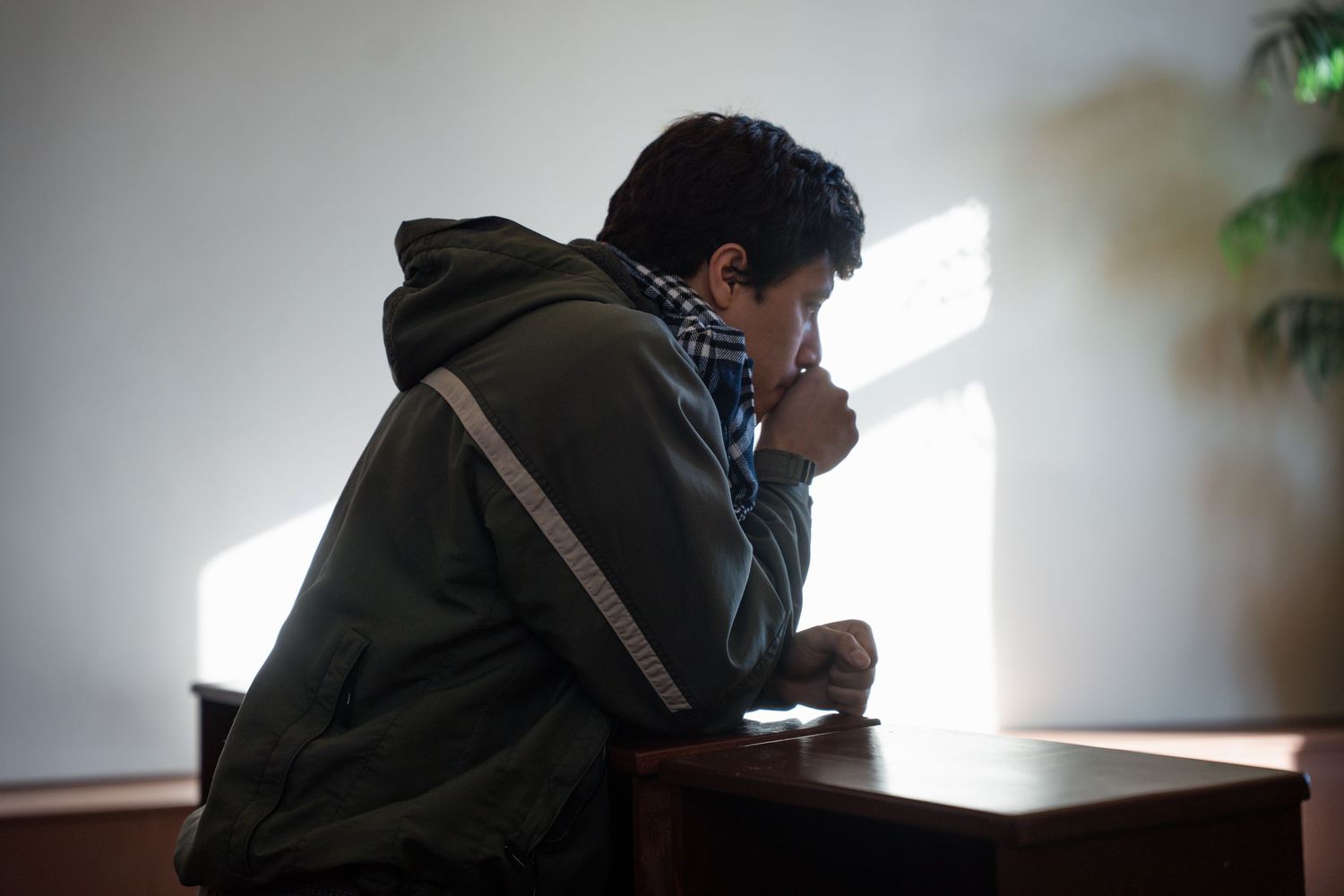
This pillar involves a stable pattern of daily Mass, the Liturgy of the Hours, personal mental prayer, Eucharistic adoration, Marian devotion, regular confession, and faithful spiritual direction. Retreats and days of recollection help him listen more deeply to the Lord and discern his vocation. Over time, spiritual formation fosters a heart that is docile to the Holy Spirit, loves the Church, and desires to lay down one’s life in pastoral charity.
INTELLECTUAL FORMATION
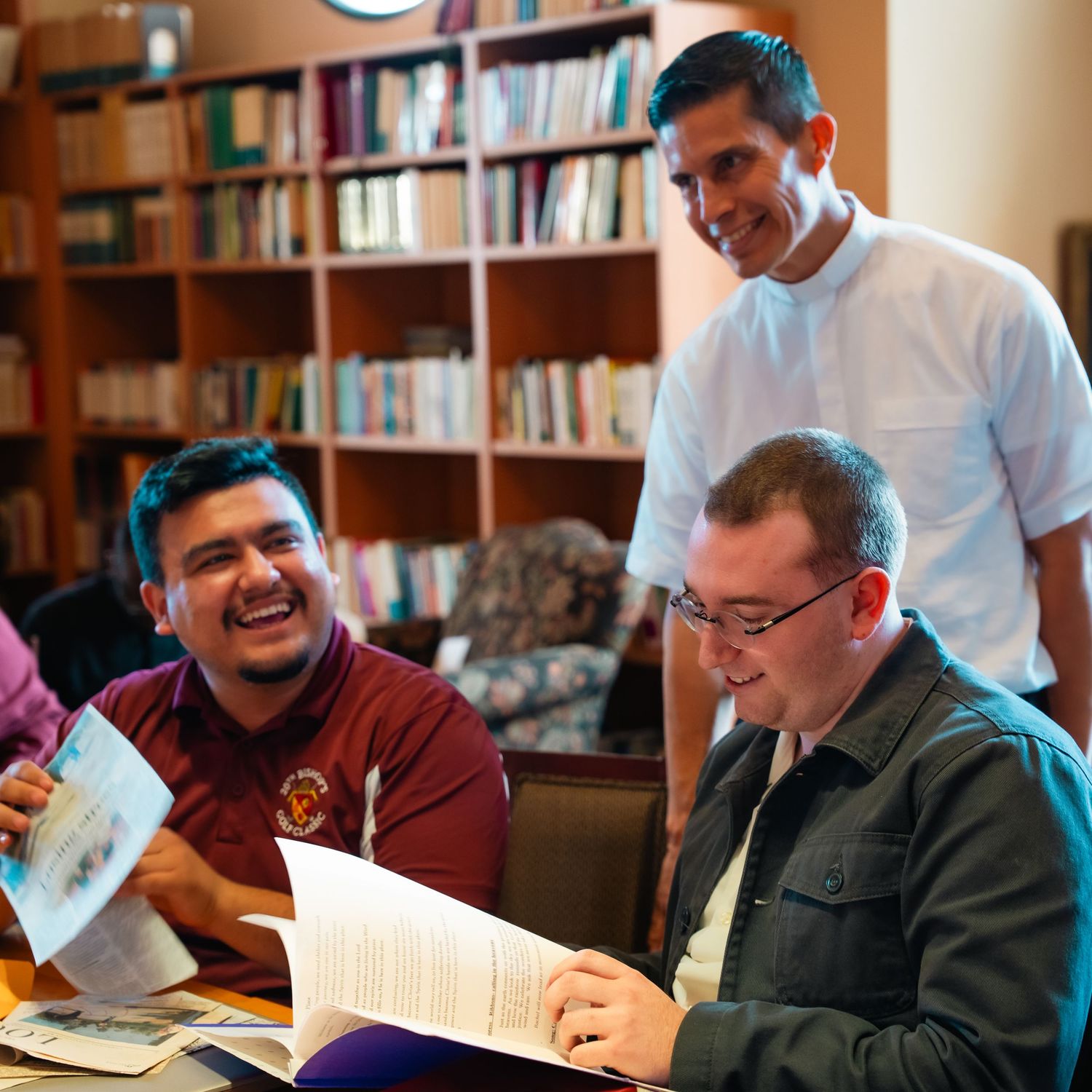
Intellectual formation equips the seminarian to “think with the Church” and to proclaim the Gospel clearly in the midst of today’s questions and cultures. It seeks more than academic success; it aims at a deep assimilation of the truths of the faith and a thoughtful understanding of the human person and society. Philosophy and theology become, for him, a way of contemplating the mystery of God and engaging the world with reason and faith together.

pastoral FORMATION
Pastoral formation prepares the seminarian to shepherd God’s people with the heart of Christ the Good Shepherd. It focuses on his capacity to listen, accompany, and serve, especially the poor, the suffering, and those on the margins. The goal is that he learn to see every pastoral situation through the eyes of Christ and to respond with prudence, mercy, and fidelity to the Church.
communal FORMATION
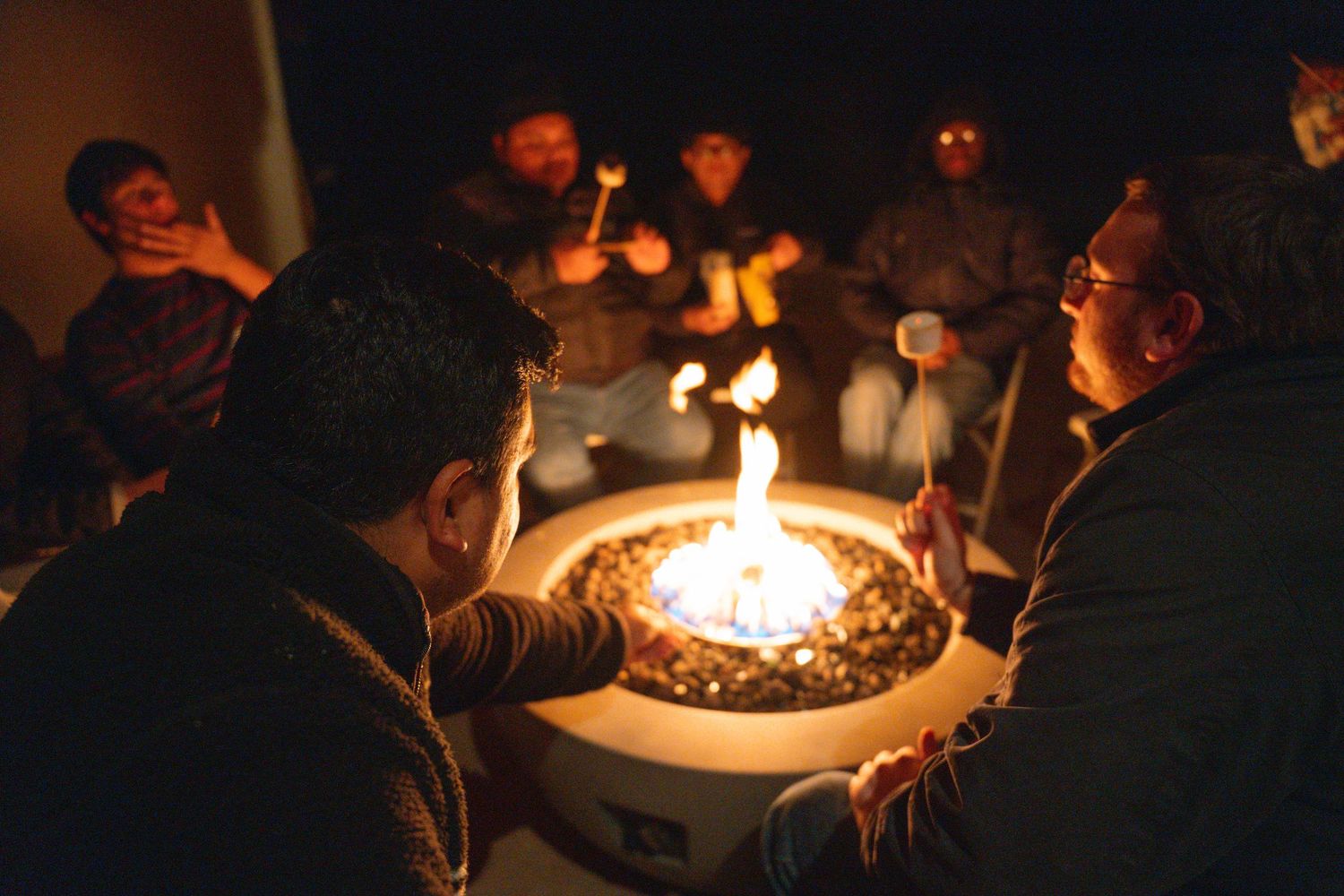
This pillar is lived in the daily give‑and‑take of house life: shared prayer, meals, recreation, household work, and decision‑making. It also includes participation in the wider diocesan and parish communities, learning to collaborate with deacons, religious, and lay faithful. Communal formation helps the seminarian move beyond individualism, embrace a spirituality of communion, and prepare to serve as a priest who can build up unity in the parish and the diocese.
FAQ
How is progress in each pillar evaluated?
Seminarians receive regular feedback through formation advising, spiritual direction, academic advising, and pastoral supervision. Periodic evaluations consider each pillar, with attention to the whole person. The goal is not perfection, but honest growth and openness to conversion.
How can families and parishes support these five pillars?
Families and parishes can support seminarians by praying for them, encouraging healthy habits, asking about their studies and ministry experiences, and welcoming them into parish life. By offering understanding, accountability, and friendship, they help reinforce the same pillars the seminarians live at Serra House.
Do the five pillars apply only to men becoming priests?
While they are structured here for priestly formation, the five pillars reflect a way of following Christ that can help every Christian grow: human maturity, deep prayer, love of truth, service to others, and life in community. For seminarians, these are lived with a special focus on preparing for diocesan priesthood.
Are the five pillars separate programs or one integrated path?
They are one integrated path. While we speak of five pillars to describe different dimensions, in reality they are lived together in a single way of life. A decision in one area (for example, study habits) affects all the others (prayer, community, ministry, and personal growth).
COME & FOLLOW
Want to Learn More!